Nizoral shampoo and hair loss: what it can and cannot do
UK guidance on dandruff treatment, hair-growth claims, correct use and when thinning needs a separate assessment.

Published: 11 October 2026
Updated: 11 October 2026

Contents
- What is Nizoral used for?
- Why treating dandruff and treating hair loss are different
- Can Nizoral regrow hair or block DHT?
- How should ketoconazole shampoo be used?
- Who should ask for advice before using it?
- Can it cause irritation or hair loss?
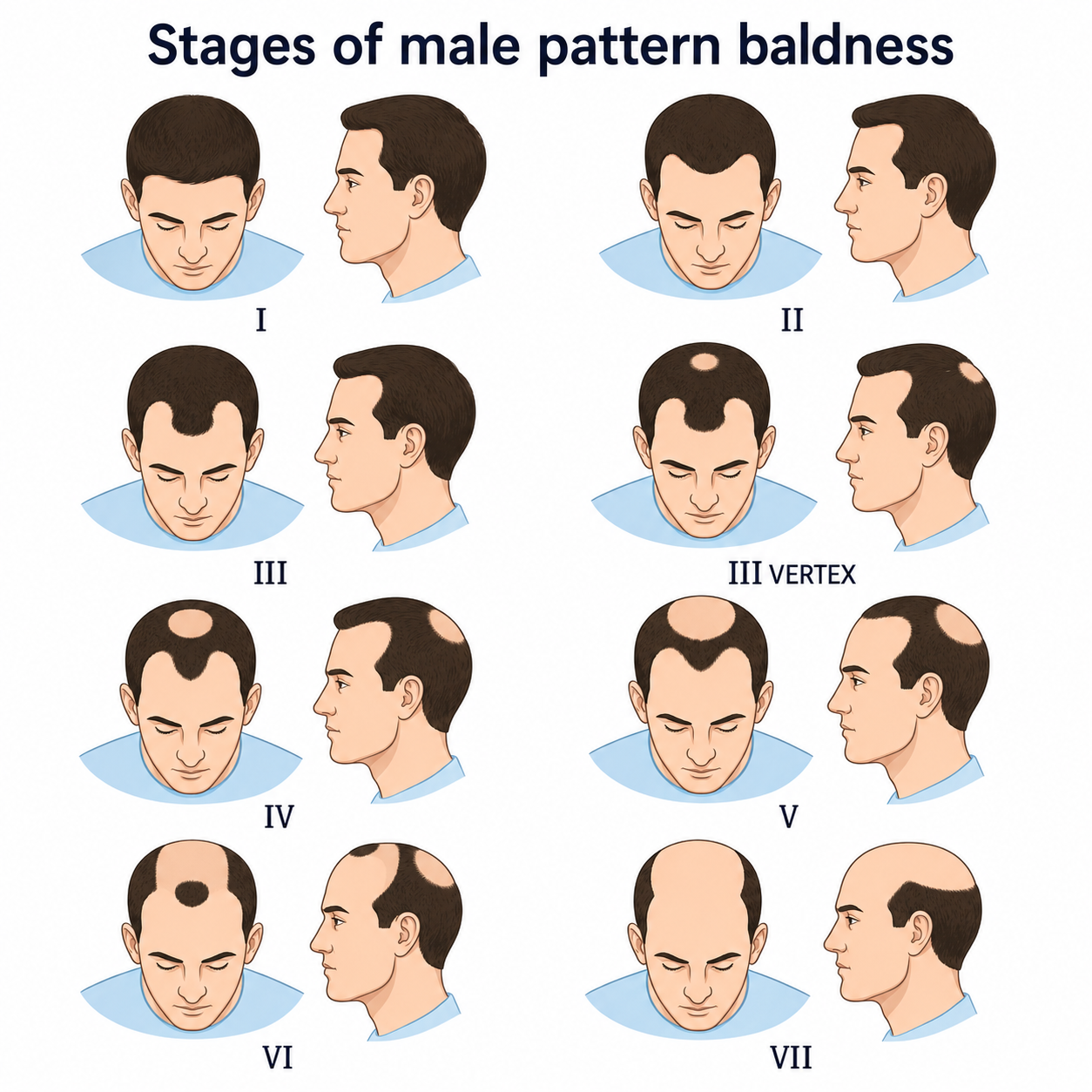
- When does shedding need a separate assessment?
- What if you are considering or recovering from a transplant?
- How should you judge whether the plan is working?
- What does the hair-growth research actually show?
- A practical checklist for your next review
- Questions and answers
- UK sources
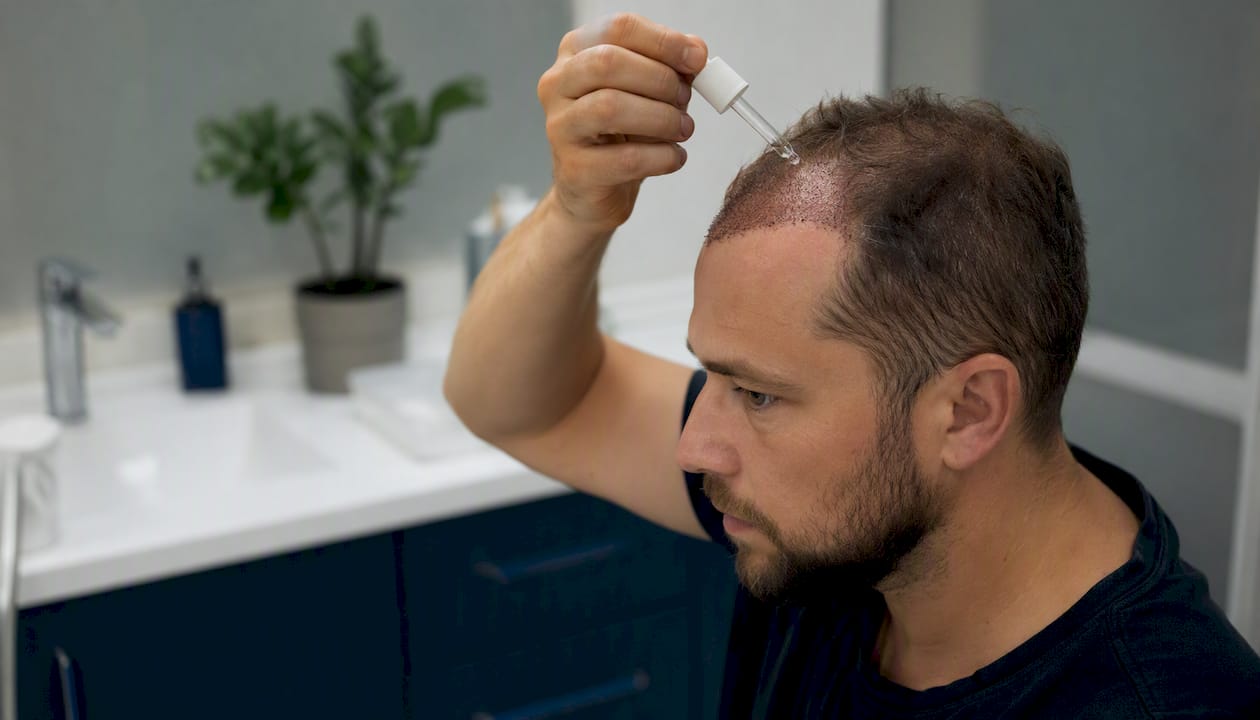
Nizoral is often discussed online as though it were a hair-growth treatment. Its established role is different: ketoconazole shampoo treats certain scalp and skin conditions, including dandruff and seborrhoeic dermatitis. A calmer, less itchy scalp can make hair care more comfortable, but that does not mean the shampoo will reverse a receding hairline.
If you have flakes and thinning at the same time, both deserve attention. This guide explains what UK medicine information says, how to use ketoconazole shampoo appropriately, and when hair loss needs a separate assessment. It also covers side effects and the questions to ask before adding another product to your routine.
What is Nizoral used for?
Nizoral is a brand associated with ketoconazole, an antifungal ingredient. The UK product information for Nizoral 2% shampoo lists dandruff, seborrhoeic dermatitis and a yeast-related skin condition called pityriasis versicolor among its uses. Hair regrowth is not one of its licensed indications.
Check the full name and ingredients on the bottle. Products sold under the same wider brand, or in another country, are not necessarily interchangeable. A cosmetic daily shampoo is not automatically the same product as a medicated ketoconazole shampoo. The advice here concerns the medicine, and the leaflet supplied with your own pack remains important.
Scalp symptoms can be confusing. Flaking does not always mean dandruff, and redness, soreness or patches of hair loss may have another explanation. Our hair loss advice can help you prepare for an assessment rather than selecting a treatment solely from a photograph or product review.
Why treating dandruff and treating hair loss are different
Seborrhoeic dermatitis is an inflammatory skin condition associated with a response to yeast that normally lives on the skin. It can affect the scalp and other oily areas, including around the nose, eyebrows and ears. The British Association of Dermatologists' seborrhoeic dermatitis leaflet explains why symptoms may settle and then recur.
When the scalp is itchy, repeated scratching and rough washing can make hair care more difficult. Treating the skin problem is worthwhile in its own right. However, improved comfort or fewer visible flakes is not proof that a separate cause of thinning has been treated.
For example, somebody can have dandruff alongside gradual pattern hair loss. Another person may notice widespread shedding after an illness while also using an anti-dandruff shampoo. The timing can make the bottle look like the whole explanation when there are two issues to consider. The pattern of change and the condition of the scalp matter more than the number of hairs seen after one wash.
Can Nizoral regrow hair or block DHT?
It should not be presented as an established replacement for a hair-loss treatment. Online discussions often move from a possible biological mechanism to a confident promise of regrowth. These are different claims. A treatment needs evidence for the particular formulation, condition and outcome being discussed; an antifungal effect alone does not demonstrate reversal of pattern hair loss.
The practical question is what you are treating. If a pharmacist or doctor recommends ketoconazole for a flaky, inflamed scalp, assess whether those symptoms improve. Do not measure its success against a promise that the temples will fill in or that bald areas will regrow. There is no reliable personal regrowth timetable to give from the shampoo label.
Our guide to medication for hair loss explains why medicines are considered according to diagnosis and suitability. Do not stop a prescribed treatment, add a medicine or copy somebody else's combination routine because a social-media post calls Nizoral a DHT blocker.
How should ketoconazole shampoo be used?
Follow your pack's instructions or your clinician's directions. The NHS instructions for ketoconazole shampoo describe twice-weekly use for two to four weeks for dandruff or seborrhoeic dermatitis, followed by use every one to two weeks to help prevent recurrence. Other conditions have different schedules.
The NHS advises wetting the hair or affected skin, applying a small amount and working it into a lather on the scalp. Leave it on for three to five minutes, then rinse with water. Keep it away from the eyes and mouth, and rinse with water if contact occurs.
Do not leave it on overnight or increase the frequency in an attempt to force hair growth. More treatment is not automatically more effective. If the instructions on your prescription differ from general advice, ask the prescriber or pharmacist to clarify the plan rather than combining two schedules.
Make the routine manageable. Note which days you use the medicated shampoo, avoid vigorous scratching with your nails, and keep other products simple if your scalp is sensitive. Bringing the bottle to a pharmacy appointment can resolve confusion about the active ingredient, strength and intended use quickly.
Who should ask for advice before using it?
The NHS suitability guidance says most adults and children aged twelve or over can use ketoconazole shampoos. It is not suitable for everyone. Tell the pharmacist or doctor about previous allergic reactions to ketoconazole, another medicine or ingredients in a product you have used.
Seek advice for a younger child rather than using an adult's bottle. Mention other scalp treatments, recent surgery and any significant skin reaction. If you have been using a prescribed steroid on the scalp for a long time, ask the prescriber how to change the routine; do not independently stop or replace it with shampoo.
A useful consultation includes what the scalp feels like as well as what it looks like. Say whether there is pain, burning, crusting, broken skin or a rash elsewhere. Take a list of products and medicines, including anything bought online. That information can be more helpful than arriving with a long list of brands you are considering.
Can it cause irritation or hair loss?
Medicines can cause unwanted effects. The product information lists local irritation, dryness, changes in hair texture and alopecia among reported adverse effects. This does not mean everyone experiences them, or that every episode of shedding during use was caused by the shampoo. It does mean new symptoms should not be dismissed.
If your scalp becomes markedly irritated, rinse the product away and seek advice about whether to continue and what to use instead. Avoid repeatedly testing a product that appears to cause a reaction. Note when the symptoms began, how often you used it and whether you changed anything else at the same time.
The NHS side-effects guidance describes rare serious allergic reactions. Call 999 for sudden swelling of the mouth, tongue or throat, difficulty breathing or other signs of a severe reaction. Suspected medicine side effects can also be reported through the MHRA Yellow Card scheme.
When does shedding need a separate assessment?
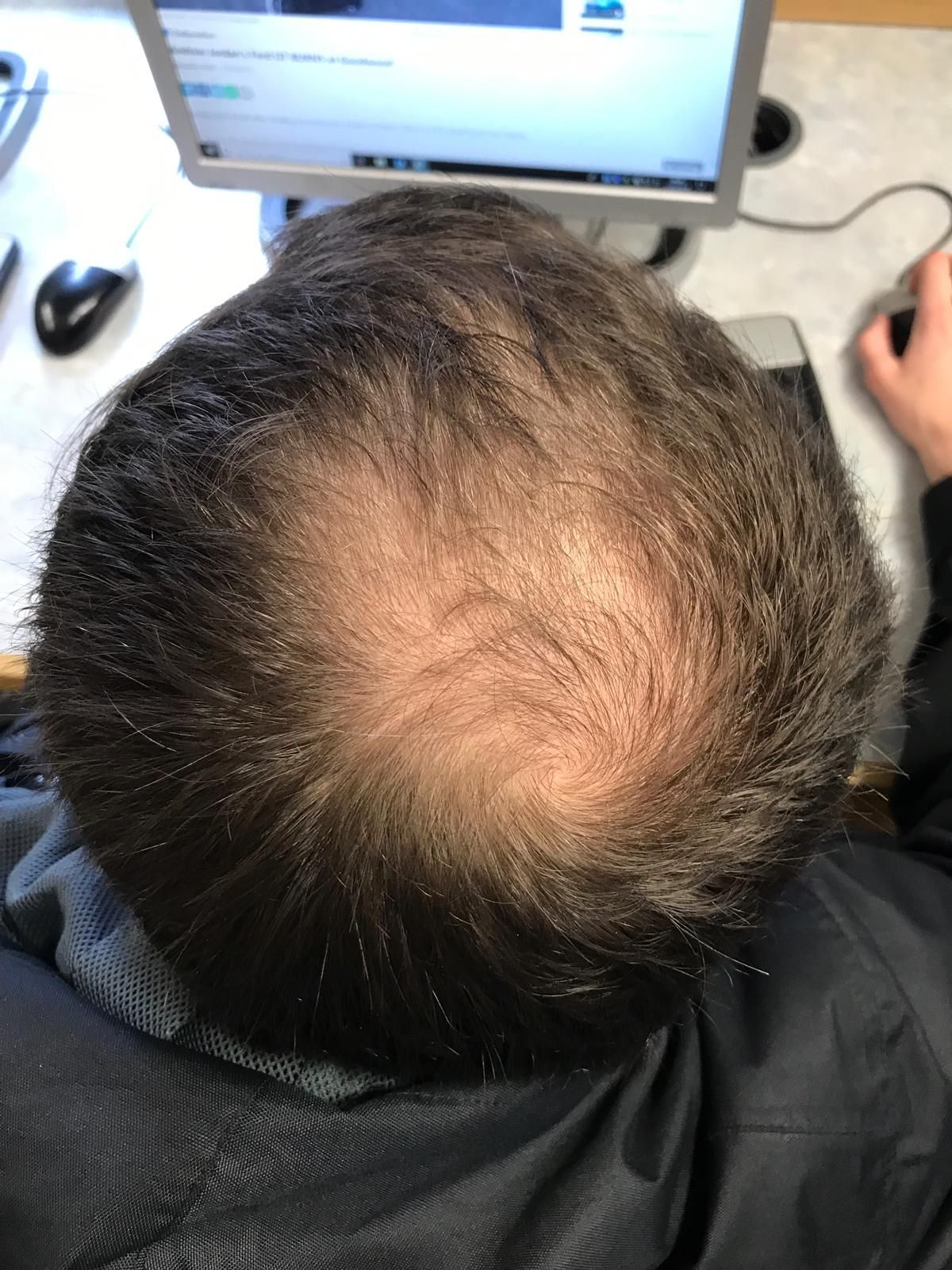
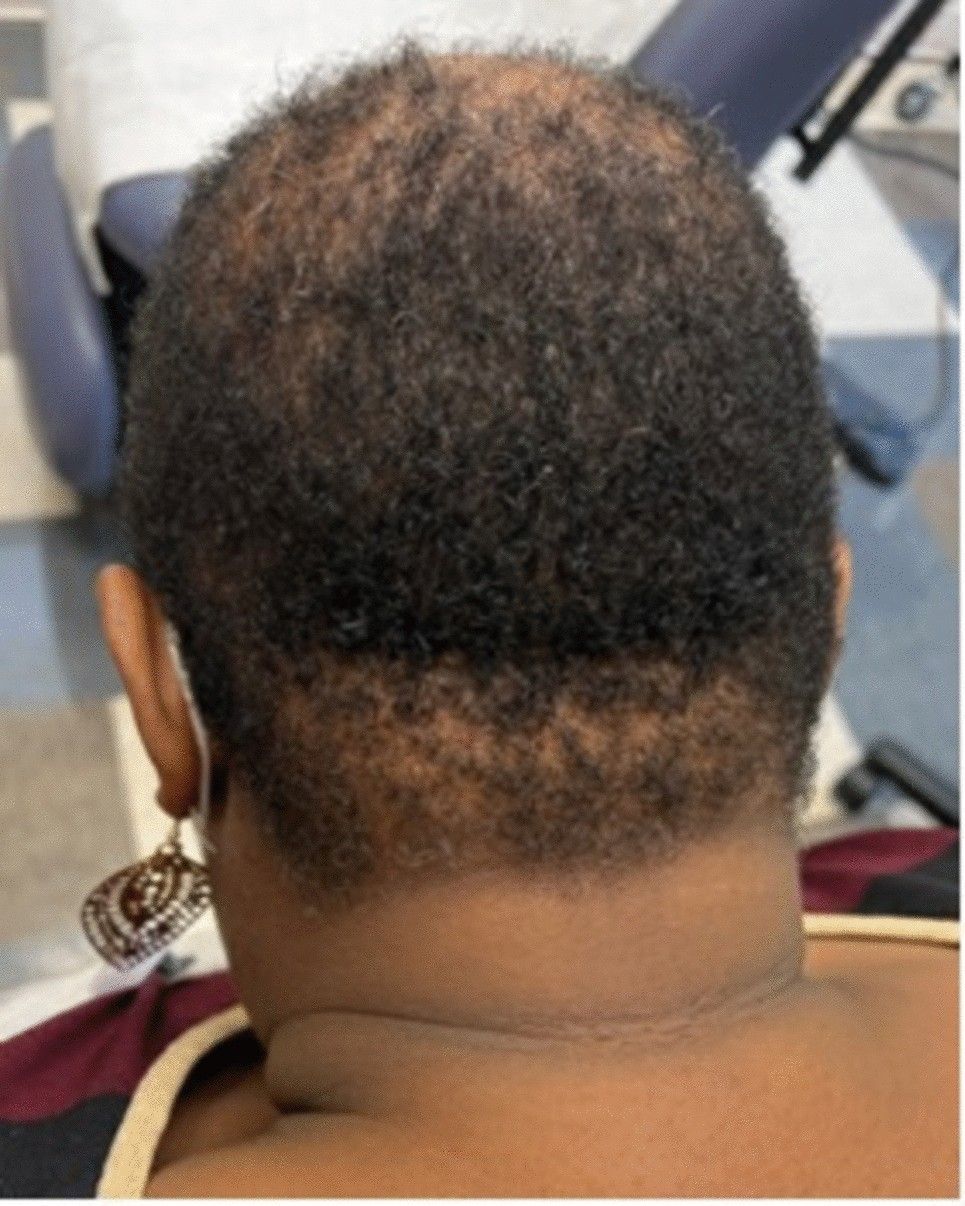
Arrange a GP assessment if you are concerned about hair loss, especially if there are new patches, a changing hairline, persistent heavy shedding or an inflamed scalp. The NHS hair loss guidance advises establishing the cause before going to a commercial hair clinic. Shampoo choice should not delay that step.
Your clinician may ask about recent illness, weight change, diet, stress, childbirth or medicines, as well as family history and the pattern of thinning. Not everyone needs the same blood tests. An examination and the history help determine whether investigations or a dermatology referral would be useful.
Take a few dated photographs in consistent lighting and record when the change started. Avoid counting every hair throughout the day; wash frequency and hair length can make the amount in the shower look very different. The aim is to identify a continuing change, not to draw a diagnosis from one wash.
What if you are considering or recovering from a transplant?
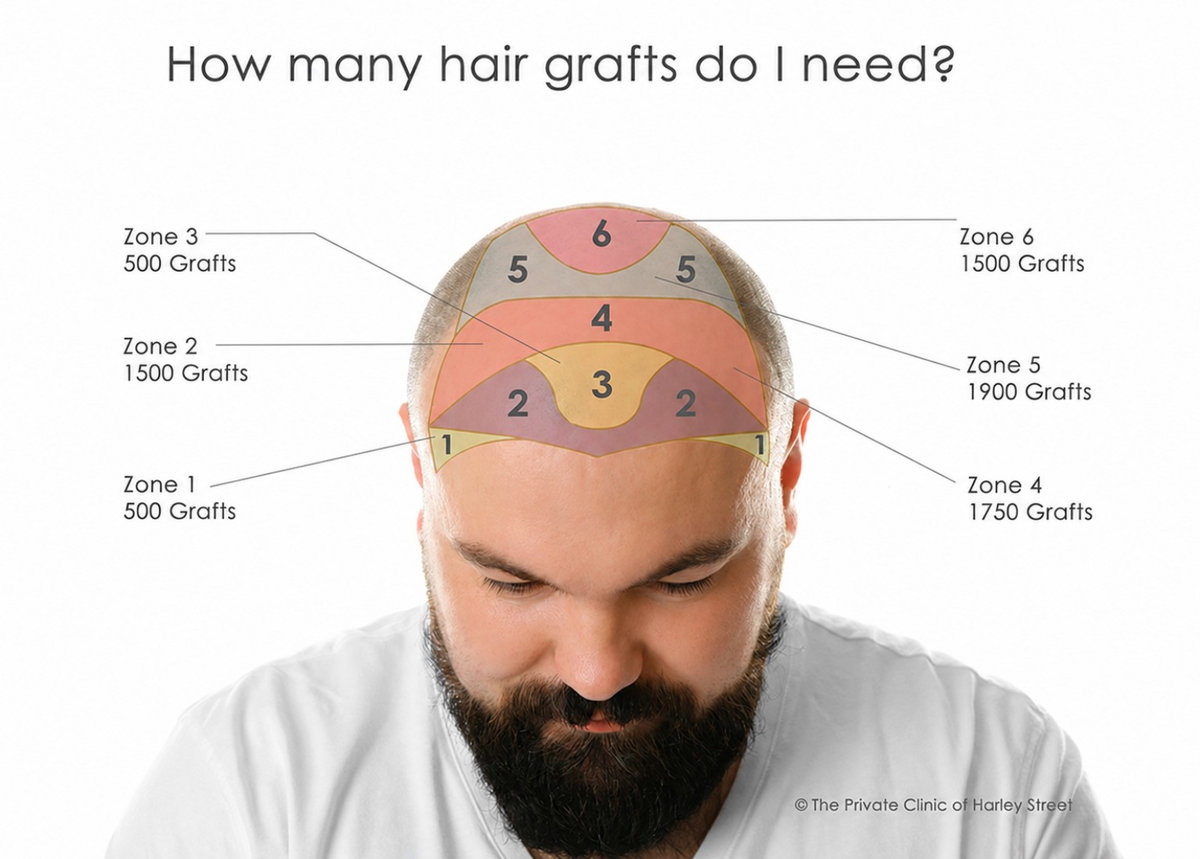
Tell the surgeon about active scalp symptoms before any procedure. Surgery is not a treatment for ordinary dandruff, and a shampoo should not be described as guaranteeing graft survival. Our overview of hair loss treatment options explains why a treatment plan starts with the cause and pattern of loss.
After a transplant, use the washing products and timing specified by the surgical team. Do not introduce Nizoral simply because somebody else used it after their operation. A healing scalp needs individual instructions, which may differ from routine dandruff care. Keep our hair transplant aftercare guide alongside the plan supplied by your clinic.
How should you judge whether the plan is working?
Agree the goal before starting. For dandruff, useful questions are whether itching, flaking and irritation are improving and whether the product is tolerable. For hair loss, the questions concern the diagnosis, progression and whether a separate treatment is indicated. Keeping those goals distinct prevents a comfortable scalp being mistaken for confirmed regrowth.
If symptoms persist despite using treatment as directed, return to a pharmacist or GP. The answer may be a review of the diagnosis or a different treatment, rather than simply extending the course. Ask what improvement to expect, when to review and what to do if symptoms come back.
What does the hair-growth research actually show?
A 1998 clinical study of ketoconazole shampoo compared a 2% preparation with an unmedicated shampoo, with or without 2% minoxidil. Researchers reported changes in hair density, hair size and the proportion of growing hairs. They also said that larger controlled studies were needed to establish the clinical significance. That qualification matters when reading claims that a bottle of shampoo performs like a dedicated hair-loss medicine.
A comparison in one study does not establish that two treatments are interchangeable for every patient. Consider which concentration was studied, who took part, what was measured and how long participants were followed. A laboratory explanation or a change in a measured hair characteristic cannot, by itself, predict how much coverage an individual will regain.
For that reason, we would not promise a DHT-blocking effect, a particular number of new hairs or prevention of future baldness from this shampoo. If a clinician suggests it as an addition to a treatment plan, ask whether the goal is control of dandruff, improved comfort or an experimental approach to thinning. You should understand the purpose before committing to a lengthy routine.
A practical checklist for your next review
Bring the bottle or a clear photograph of its label. Write down when you started, the days you used it and how long it stayed on before rinsing. Include any conditioner, scalp oil, styling product or other medicine introduced during the same period. This helps the pharmacist or clinician distinguish an unclear routine from a product that has been used as directed without enough benefit.
Describe scalp symptoms and hair changes separately. For example, you might say that flaking improved after several washes but the parting still looks wider, or that burning started shortly after the first application. Those observations are more useful than saying simply that the treatment worked or failed. Mention any change in wash frequency because that can alter the apparent amount of loose hair.
Before leaving, agree the next step and the review point. Ask who to contact if the scalp worsens, whether any other product needs changing and whether the hair loss needs its own assessment. A clear written plan can prevent repeated purchases and stop a shampoo trial from becoming an indefinite substitute for finding the cause of thinning.
Questions and answers
Is Nizoral the same as minoxidil?
No. They are different medicines with different purposes. Ketoconazole treats specified fungal and yeast-related skin problems. A decision about a hair-loss medicine requires an appropriate diagnosis and a discussion of suitability, benefits and risks.
Should everyone with thinning hair use it?
No. Thinning without a relevant scalp condition is not, by itself, a reason to add an antifungal shampoo. Ask what problem the treatment is intended to address and how its effect will be assessed.
What if the flakes improve but my hair still sheds?
The scalp problem and the shedding may have different causes. Arrange a review rather than increasing the shampoo frequency. Explain the duration, distribution and any other symptoms so the next step addresses the hair loss itself.
Can I use other hair products as well?
Ask a pharmacist about your specific routine, especially if you use prescribed scalp medicines or have sensitive skin. Introducing several new products together can make a reaction harder to identify. Follow each product's instructions.
UK sources
- Electronic Medicines Compendium: Nizoral 2% shampoo
- NHS: ketoconazole medicine information
- British Association of Dermatologists: seborrhoeic dermatitis
- NHS: hair loss